

Beyond the scope of angels/archangels are two other categories of beings that have rightly or wrongly been conflated with the descriptions of angels. Those categories/terms are cherubim and seraphim. Whether or not both or neither of these terms belong in the same category as mal’āḵ or angelos, we don’t know.
The Bible’s first mention of one of these supernatural beings comes at the end of mankind’s fall in Genesis 3. These beings, cherub (Hebrew kᵊrûḇ) are simply stationed to the east of Eden (Genesis 3:24). In addition to these beings is a flaming sword that guards the tree of life.
The word cherub (singular) or cherubim (plural) goes on to appear 91 total times in 66 verses throughout the rest of Scripture with usages in 12 other books (Exodus, Numbers, 1/2 Samuel, 1/2 Kings, 1/2 Chronicles, the Psalms, Isaiah, Ezekiel, Hebrews).
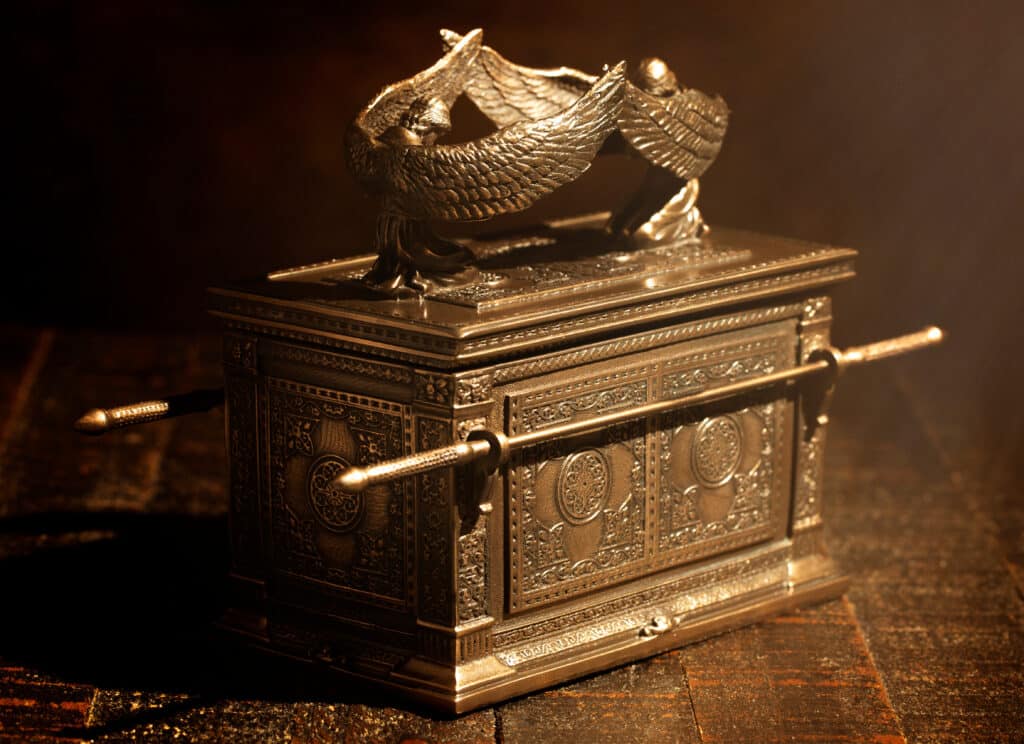
Most of the references from the eight historical books describe artistic representations of the beings that are placed on the Ark of the Covenant, on the curtains of the Tabernacle, and within the inner sanctuary of the Temple. The most prominent feature of these gold and yarn constructed figures is their wings.
“The most prominent feature of these gold and yarn constructed figures is their wings.”
In describing their form on the edges of the Ark, Exodus 25:20 states, “The cherubim will face each other, looking down on the atonement cover with their wings spread out above it” (NLT). In Numbers 7:89 it is written that Moses hears God’s voice emanate from the space above and between the two figures on the Ark. Subsequent kings (David and Hezekiah) and the prophet Isaiah all refer to this spot as God’s dwelling place among his people, an incredible picture to imagine. 
The word “cherub” is also used in 2 Samuel 22:11 and Psalm 18:10 where a song of praise composed by David describes God descending from the heavens, riding a cherub, and soaring on the winds to rescue David from his enemies.
The final uses of the word in the Old Testament come from the prophet Ezekiel. In the book’s tenth chapter, the prophet is given a vision of God’s throne room during which he witnesses four cherubim moving about the room with massive whirling wheels. The movement of their wings creates a roar, and beneath their wings are something like human hands. The prophet notes that both the wheels and beings are covered completely in eyes, but each also has a distinct face: an ox/calf, a human, a lion, and an eagle. Ezekiel states that these are the same beings he witnessed beside the Kebar River (Ezekiel 1), though he did not refer to them as cherubim then. He also mentions depictions of these cherubim during his vision of the Temple in Chapter 41.
“A song of praise composed by David describes God descending from the heavens, riding a cherub, and soaring on the winds to rescue David from his enemies.”
Hebrews 9:5 then contains the last use of the word “cherubim” in the Bible which is employed again in reference to the presence of cherubic images within the Tabernacle. However, depictions of the four supernatural beings, matching those in Ezekiel, pop up in the fourth chapter of Revelation, though the word used in this passage is the Greek word zōon, meaning beast or living creature. Once again, these beings are in the throne room, though this time are without wheels and are recorded in Revelation as being in unceasing and reverent worship of “the one sitting on the throne (the one who lives forever and ever)” (Revelation 4:9, NLT). The beings are referenced several other times throughout the letter in similar fashion.
With all that said, I find it difficult to classify cherubim as angelic beings. Divine and supernatural, sure—but they hardly resemble the pictures of angels we get throughout Scripture. Perhaps most pointedly, the presence of two separate words used to name each of these beings in the text stands as the clearest evidence that angels and cherubim are not the same types of beings.
I’d posit that angels are free-willed but closely tied participants in God’s creation narrative, while cherubim are a type of living harbinger or marker of divine/holy presences: the Ark, the Tabernacle, the Temple, and the throne room.