


The book of Hebrews presents one of the most compelling Christological frameworks in the New Testament. Hebrews 2:14–18 speaks directly to the necessity of the Incarnation, the power of Jesus’ death, and His role as our High Priest. These doctrines are foundational to Christian theology, emphasizing the atonement, the personal work of Christ, and the assurance of salvation. But when we place these biblical truths in contrast with Islamic theology, the differences become even sharper.
At the core of this comparison is the question: How does God relate to humanity? Christianity proclaims a God who comes near, suffers with us, and redeems us through His sacrifice. Islam affirms God’s nearness in knowledge, power, and mercy, yet it rejects the possibility that God could personally enter human history through incarnation. Hebrews 2:14–18 is a powerful text that directly challenges Islam’s theological framework while reinforcing the distinct and transformative message of the gospel.
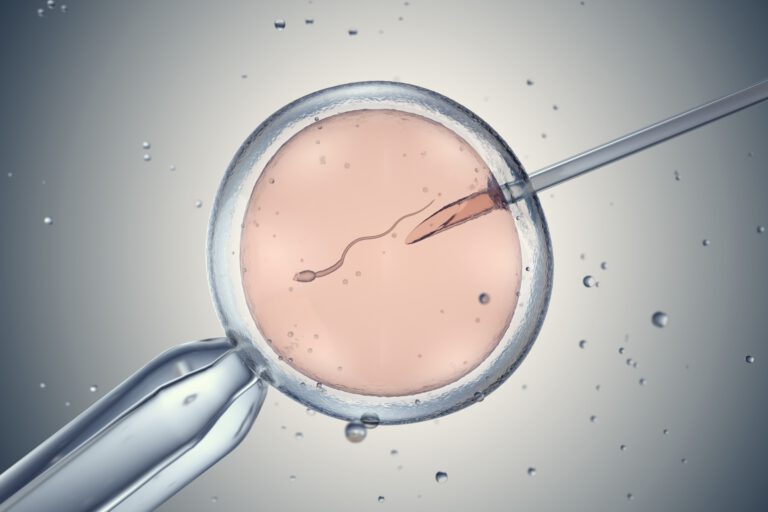
Hebrews 2:14 states, “Since therefore the children share in flesh and blood, he likewise partook of the same things….” This verse underscores the heart of Christian faith: the doctrine of the Incarnation. Jesus, the eternal Son of God, took on human flesh (John 1:14; Philippians 2:6–8). This is not merely a theological abstraction but a personal reality—God stepped into time, space, and history. The Greek word meteschēken (μετέσχεν), meaning “partook,” signifies full participation in human nature.
“Since therefore the children share in flesh and blood, he likewise partook of the same things….”
The Incarnation is necessary for three primary reasons. First, it provides revelation—Jesus is the exact imprint of God’s nature (Hebrews 1:3). Through Him, we do not merely know about God; we know God personally (John 14:9). Second, it accomplishes redemption—only by becoming human could Jesus serve as a substitutionary atonement for sin (2 Corinthians 5:21). Third, it establishes relational nearness—Jesus is Immanuel, God with us (Matthew 1:23), not a God who forgives according to His mercy but does not provide a sacrificial mediator.
Islam, however, categorically rejects the idea that God could become human. Tawḥīd, the doctrine of absolute divine oneness, insists that God is utterly transcendent and beyond human experience (Surah 42:11). While Surah 50:16 states that Allah is closer than a person’s jugular vein, this nearness refers to His knowledge and sovereignty, not personal relationship or incarnation. In Islam, God remains distinct and separate, never taking on human nature.
This theological divide is critical. Christians believe that without the Incarnation, there is no true revelation of God, no redemption from sin, and no hope of personal relationship with Him. Islam, by contrast, emphasizes God’s transcendence and calls human beings to submit to His will through obedience and repentance.
“Christians believe that without the Incarnation, there is no true revelation of God, no redemption from sin, and no hope of personal relationship with Him.”
The question we must ask is: Can God truly be known? Christianity answers, “Yes, in Jesus Christ.” Islam affirms that God can be known through revelation and submission, but it rejects the possibility of knowing God through incarnation. If God does not take on flesh, how can we truly relate to Him? How can we understand His love and character beyond abstract descriptions? The Incarnation provides the most intimate revelation of God’s heart, something Islam fundamentally lacks.
Hebrews 2:14–15 declares, “…that through death he might destroy the one who has the power of death, that is, the devil, and deliver all those who through fear of death were subject to lifelong slavery.”
The gospel is not just about forgiveness; it is about victory. Jesus’ death and resurrection did more than provide an example of self-sacrifice—it was a cosmic victory over sin, Satan, and death itself. Christ’s death is a substitutionary sacrifice that satisfies divine justice and defeats the power of death. (Isaiah 53:4–6; Romans 3:25–26). His death satisfied divine justice, making salvation possible for all who believe (1 John 2:2; 2 Corinthians 5:21). His resurrection conquered death, providing believers with eternal life (1 Corinthians 15:54–57). 
The Greek word katargēsē (καταργήσῃ) in Hebrews 2:14, often translated as “destroy,” does not mean that Satan was annihilated. Rather, it means to nullify or render powerless. This means Satan’s authority over death has been decisively broken, though he remains active until Christ’s final victory (1 Corinthians 15:24–26).
“The gospel is not just about forgiveness; it is about victory.”
This stands in stark contrast to Islam’s view of salvation. Islam does not provide a sacrificial atonement for sin. Forgiveness comes through repentance, obedience, and the mercy of Allah. Salvation is achieved through faith in Allah, good deeds, and divine mercy (Surah 23:102–103). The cross is denied, as Surah 4:157 states that Jesus was not crucified but that it only appeared so. Many Islamic scholars argue that someone else (perhaps Judas) was crucified in His place.
Furthermore, there is no victory over death—only judgment. Muslims believe everyone must face the Day of Judgment, where their deeds will be weighed. While shafa’ah (intercession) is sometimes attributed to Muhammad, there is no assurance that it will be granted. Even Muhammad’s own fate is ultimately left to the mercy and judgment of Allah. (Surah 46:9).
The gospel proclaims freedom from the fear of death. Christ’s resurrection guarantees eternal life (John 11:25–26). Islam, however, leaves followers with no certainty of redemption, only hope in their own efforts. Without the assurance of Christ’s victory, death remains a looming shadow over the believer’s life. Christianity offers the hope of eternal joy and resurrection, while Islam offers only an anxious striving for divine mercy without assurance.
Hebrews 2:17 states, “Therefore he had to be made like his brothers in every respect, so that he might become a merciful and faithful high priest in the service of God, to make propitiation for the sins of the people.”
“Therefore he had to be made like his brothers in every respect, so that he might become a merciful and faithful high priest in the service of God, to make propitiation for the sins of the people.”
In Judaism, the high priest entered the Holy of Holies once a year to offer sacrifices (Leviticus 16). Jesus, by contrast, entered not an earthly temple but the heavenly one, offering Himself as the final atonement (Hebrews 9:11–12).
Islam does not recognize a priestly mediator who atones for sin, though some traditions speak of Muhammad’s intercession on the Day of Judgment. Muslims believe they will stand alone before Allah, judged according to their deeds (Surah 99:6–8).
We must ask: Who will plead our case before God? Christianity gives us a High Priest who has already made the perfect sacrifice. Islam leaves sinners to hope that their deeds will be enough. But human effort can never bridge the infinite gap between sinful humanity and a holy God. Jesus, as our High Priest, does not merely offer sacrifices—He is the sacrifice. Christians’ confidence before God is rooted in Christ’s work, not their own merits.
Islam is like a courtroom where the defendant stands alone, uncertain of the judge’s verdict. Christianity is like a courtroom where the judge Himself steps down and takes the punishment in the defendant’s place.
This is the heart of the gospel—a Savior who has come to rescue us, not a God who forgives according to His mercy but does not provide a sacrificial mediator. In Jesus, we find not only a teacher or a prophet but the very presence of God, who came near, suffered for us, and secured our salvation for eternity.
For more from Tim Orr, check out his Substack HERE. Used by permission.