


In our deeply divided culture, where social media fuels endless debates and personal spiritual paths are celebrated as equally valid, one question persists: “Is Jesus really the only way to God?” This claim, rooted in Scripture, often provokes offense in a pluralistic age. Yet as Ecclesiastes reminds us, “There is nothing new under the sun” (Ecclesiastes 1:9b, NIV). I know this tension intimately from my own journey.
My Initial Offense and the Minister’s Direct Answer
As a new Christian, I began reading the Gospel of John. When I reached chapter 14, Jesus’ words struck me forcefully:
“I am the way and the truth and the life. No one comes to the Father except through me.” (John 14:6, NIV)
Emerging from a secular worldview influenced by university lectures, popular atheism, and neo-paganism, I found this claim too narrow. How could one man from Nazareth hold a monopoly on eternity?
I approached my minister with these questions: “Aren’t good intentions sufficient? If others follow a different god with sincerity, isn’t it all the same? Doesn’t God automatically save vast swaths of people?” His reply was direct: “No.” He pointed me to Acts 4:12 to ponder in prayer:
“Salvation is found in no one else, for there is no other name under heaven given to mankind by which we must be saved.” (Acts 4:12, NIV)
This launched me on a journey, revealing that exclusivity is not arrogance but logical necessity. Conflicting truth claims among world religions—from Buddhism’s self-enlightenment to Islam’s submission to Allah—cannot all coexist, just as opposing directions cannot lead to the same destination.
“Salvation is found in no one else, for there is no other name under heaven given to mankind by which we must be saved.”
The Biblical Foundation: Eyewitness Testimony to the Exclusive Christ
The context of Acts 4:12 underscores its weight. Peter and John, empowered by the Holy Spirit at Pentecost, heal a man lame from birth at the temple gate. Crowds gather, but the Sanhedrin—the religious leaders who orchestrated Jesus’ crucifixion—arrest them. Filled with the Spirit, Peter declares salvation belongs to this crucified and risen Lord alone. The apostles echo this: Paul affirms, “There is one God and one mediator between God and mankind, the man Christ Jesus” (1 Timothy 2:5, NIV), and salvation comes by calling on His name (Romans 10:9-13).
In John 14:6, spoken in the upper room amid betrayal’s shadows, Jesus responds to Thomas’ despair: “Lord, we don’t know where you are going, so how can we know the way?” (John 14:5, NIV) by claiming to be “the way and the truth and the life.” “Way” (Greek hodos) evokes God’s singular path through the Red Sea for Israel. Jesus fulfills the Shema: “The Lord our God, the Lord is one” (Deuteronomy 6:4). This is the scandal of particularity—God choosing a people, a Messiah, a cross.
“This is the scandal of particularity—God choosing a people, a Messiah, a cross.”
Why Jesus Alone Can Save: The Theological Uniqueness of the Incarnate Son
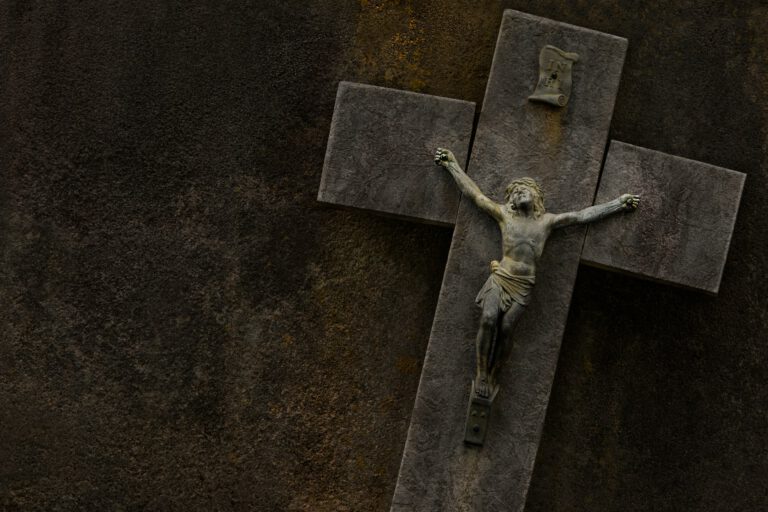
Jesus is the only Savior not merely because He claims it, but because He alone can accomplish it. No other figure confronts our deepest enemies—sin, death, and the Devil—with divine efficacy. As the eternal Word made flesh (John 1:1, 14), fully God and fully man, Jesus alone possesses the deity to atone infinitely and the humanity to represent us perfectly. His substitutionary death satisfies God’s wrath against sin (Romans 3:25; Isaiah 53:5-6), conquering death through bodily resurrection (1 Corinthians 15:3-4, 17-20), and disarming the Devil by nullifying sin’s power (Colossians 2:15; Hebrews 2:14-15).
Other religions offer moral reform or cycles of reincarnation, but none provide a divine Savior who dies in our place. Historically, Jesus’ resurrection—attested by multiple early sources and an empty tomb—validates His claims above all others. Preston Sprinkle addresses the emotional objection of the unevangelized: Scripture affirms God’s desire that all be saved (1 Timothy 2:4), holding people accountable for the light received, through the narrow gate of grace (Matthew 7:13-14). As Brian Zahnd notes, the Lamb slain from the foundation of the world (Revelation 13:8) pursues every heart, but only through His wounds do we find the Father.
“Historically, Jesus’ resurrection—attested by multiple early sources and an empty tomb—validates His claims above all others.”
Transformative Implications and Faithful Witness Today
Embracing this truth freed me from the exhaustion of comparative religion, anchoring me in assurance. No longer climbing imagined ladders, I rest in the path He forged.
This exclusivity propels mission—from underground churches in China to African revivals proclaiming no other name. For believers today, it is liberating truth, not pride:
- Proclamation with Compassion: Share John 14 and Acts 4 as invitations, acknowledging the offense as Jesus did over Jerusalem (Matthew 23:37), then testify to His grace.
- Personal Assurance Amid Doubt: Cling to the Mediator in trials.
- Cultural Witness in Relativism: Embody exclusivity that welcomes—literally inviting everybody onto the path of life by serving neighbors as Christ loved (John 13:34-35). In boardrooms or campuses, live the resurrection’s power.
Jesus is the only Savior because He is the eternal Word made flesh, crucified, and risen. There is no other name. Enter through Him.
Grace and peace.