


It’s a question I’ve been asked more than once—especially since God moved our congregation into the heart of our city and we began walking closely with people experiencing homelessness, addiction, and mental illness.
It’s a fair question, but it’s not the one I think we should lead with.
Every week, I worship with people who were once unhoused, who are still unhoused, addicted, or written off by society, who now stand next to lifelong believers, lifting their voices in worship. Some still smoke. Some still struggle. But they’re seeking Jesus. And He’s changing them.
So when someone asks, “Is smoking a sin?” I understand the concern. But I also want to reframe the question: What does it look like to disciple someone who still smokes? Because that’s where the real conversation begins.
What Scripture Says—and Doesn’t Say
The Bible doesn’t specifically mention smoking, vaping, or THC. That means we need to look to biblical principles to guide our thinking.
In 1 Corinthians 6:19-20 (NIV), Paul writes, “Do you not know that your bodies are temples of the Holy Spirit, who is in you, whom you have received from God?…Therefore honor God with your bodies.” This is a clear call to stewardship. Our bodies matter. How we treat them matters.
Paul also says in 1 Corinthians 6:12 (NIV), “‘I have the right to do anything,’ you say—but not everything is beneficial. ‘I have the right to do anything’—but I will not be mastered by anything.’” That’s where the issue of addiction comes into focus. If something is controlling us—whether it’s nicotine, alcohol, opioids, or anything else—it’s worth asking if we’re still walking in freedom.
Does a new believer (or a seasoned one, for that matter) seeing me smoke cause them to stumble? Then I should never do it in front of them again. The same is true for overeating, drinking, saying certain words. To riff off of Paul: if I destroy Christ’s work in someone else’s life by something that isn’t a sin to me but is to another, then I will not do that thing.
“If I destroy Christ’s work in someone else’s life by something that isn’t a sin to me but is to another, then I will not do that thing.”
So, is smoking a sin? It can be. It can harm the body. It can become a form of bondage. It can dull our dependence on God and affect our witness. But it’s rarely the whole story. Often, it’s a symptom of a deeper struggle—and that’s where discipleship matters most.
Please don’t mistake me for being wishy-washy on this. This is a very real struggle, and in the Kingdom of God, individual context matters. That doesn’t excuse or permit sin. Thinking through individual context helps us see the issue more clearly and reminds us where we were before Jesus found us— and what unhealthy habits we may still be holding onto that aren’t as visible as smoking.
What About Marijuana?
That brings up another question we often hear (and smell), especially here in Ohio where marijuana is now legal both medicinally and recreationally: What about THC?
It’s a fair question, and like smoking, it requires thoughtful reflection. Some of the individuals we walk with are in recovery from opioid addiction, and doctors have found that medical marijuana can help people manage pain or anxiety without returning to more dangerous substances. In those narrow cases—under medical supervision and with legal access—I believe it can serve a helpful purpose.
But we also recognize that marijuana can easily be misused. It can become a crutch, a form of escape, or even an addiction. Just because something is legal doesn’t mean it’s wise or beneficial. Paul’s words in 1 Corinthians 6:12 still apply: “I will not be mastered by anything.”
As with any habit or substance, we encourage people to ask: Is this drawing me closer to Christ or dulling my dependence on Him? Is it helping me walk in freedom or pulling me back into bondage? Am I living responsibly, prayerfully, and with accountability?
Discipleship isn’t a one-size-fits-all approach, but we should all take discipleship very seriously. That means helping people examine their choices by meditating on Scripture, listening to the Spirit’s guidance, walking with other Christians, and reflecting on their own spiritual growth.
We also encourage people to consider how their choices affect others. In 1 Corinthians 8:9 (NIV), Paul writes, “Be careful, however, that the exercise of your rights does not become a stumbling block to the weak.” Even if something is lawful or personally helpful, it may not be loving if it causes someone else to falter. Love sometimes means laying down our freedoms for the sake of another’s growth in Christ.
“I will not be mastered by anything.”
Discipleship Among the Struggling
In our ministry, we walk with people who are working through trauma, addiction, mental illness, and poverty. And for many of them, smoking is a coping mechanism—one of the few things they feel they can control. It’s not ideal. It’s not healthy. But it’s the reality. It’s also a social ritual that connects them in temporary community.
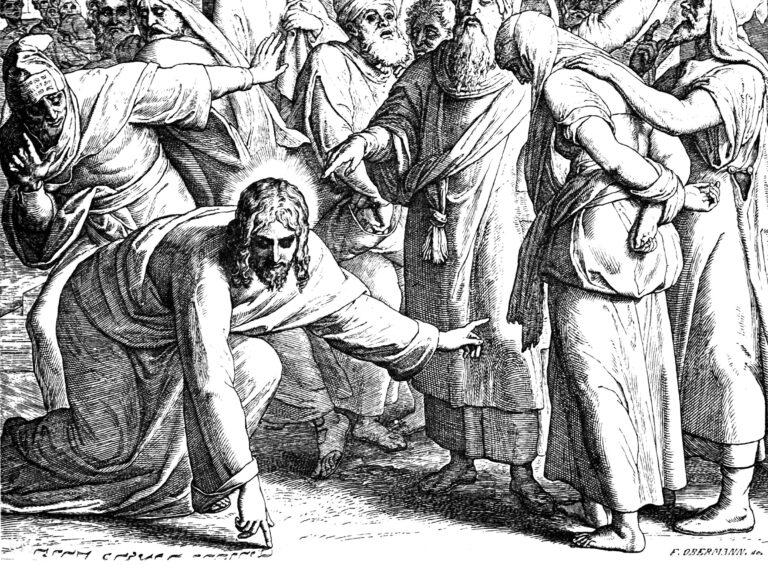
When someone like that walks through our doors, we don’t start by addressing their cigarette. We start by learning their name. We listen to their story. We invite them to the table. Jesus didn’t wait for people to clean up before He called them. He invited them to follow—and transformation came along the way.
Galatians 6:1-2 (NIV) reminds us, “If someone is caught in a sin, you who live by the Spirit should restore that person gently.…Carry each other’s burdens, and in this way you will fulfill the law of Christ.” Discipleship is not about quickly “fixing” people. It’s about walking with them as they learn to follow Jesus—gently, patiently, and with grace.
“Discipleship is not about quickly ‘fixing’ people. It’s about walking with them as they learn to follow Jesus—gently, patiently, and with grace.”
When the Church Becomes a Moral Police Force
Sometimes, the Church can fall into the trap of moral policing—calling out behaviors without understanding the person or context behind them. But snap judgments and sarcastic comments don’t help anyone. In fact, they often do actual harm. The Western church is in decline for many reasons, one of them being judgmental, off-color comments from people who want zero relationship with the person they’re correcting.
Romans 14:1-4 challenges us to accept those whose faith is weaker, not to quarrel over disputable matters, and to remember that each person stands or falls before their own Master. When we try to play the role of the Holy Spirit, we risk pushing people away from the very grace they need.
There’s a difference between biblical accountability and spiritual arrogance. One restores. The other repels.
What We’ve Learned
Since God moved us downtown, we’ve had to learn how to disciple in the mess. We’ve seen recovering addicts lead worship. We’ve seen people relapse and return, and we’ve seen the Spirit do what only He can do—renew, restore, and remake.
Here’s what we’ve learned—and what we’d share with any church trying to walk with the broken:
- Lead with grace, not guilt. Truth matters, but so does timing and tone.
- Don’t make behavior the barrier. Make Jesus the focus.
- Celebrate progress, not just perfection. Small steps are still steps.
- Understand addiction as complex—physical, emotional, and spiritual.
- Be okay with the mess. Real discipleship is rarely easy or convenient.
James 5:16 encourages us to confess our sins to one another and pray for one another so that we may be healed. That kind of honesty creates space for transformation. But it only happens in communities where people feel safe to be real.
“Lead with grace, not guilt. Truth matters, but so does timing and tone.”
God Does the Changing
Only God can balance grace and truth perfectly. Only the Holy Spirit can convict hearts and break chains. Our role is to walk with people, not ahead of them. To point to Jesus, not to ourselves. To trust that when someone is moving toward Christ, He will deal with everything that needs to be dealt with—including smoking.
So, is smoking a sin? Maybe. Is it harmful? Yes. But more importantly: is this person moving toward Jesus? Are they being discipled? Are they being loved, challenged, and invited into transformation?
Let’s be a Church that sees people, not just their habits. Let’s be a Church that trades judgment for grace, and shame for hope. Because when we walk with the broken, we often meet Jesus there—more present, more powerful, and more patient than we ever imagined.